Whale watching in Naha, Okinawa

In February 2026, we went on a family trip to Okinawa Prefecture. The most important thing about this trip was whale watching. A year ago, my son had listed it as one of his goals, and we had looked for opportunities in Hokkaido and Kochi Prefecture, but unfortunately, we were unable to make it happen. This trip to Okinawa was our third attempt.

Photos

The target of our tour this time was a type of whale called a baleen whale.

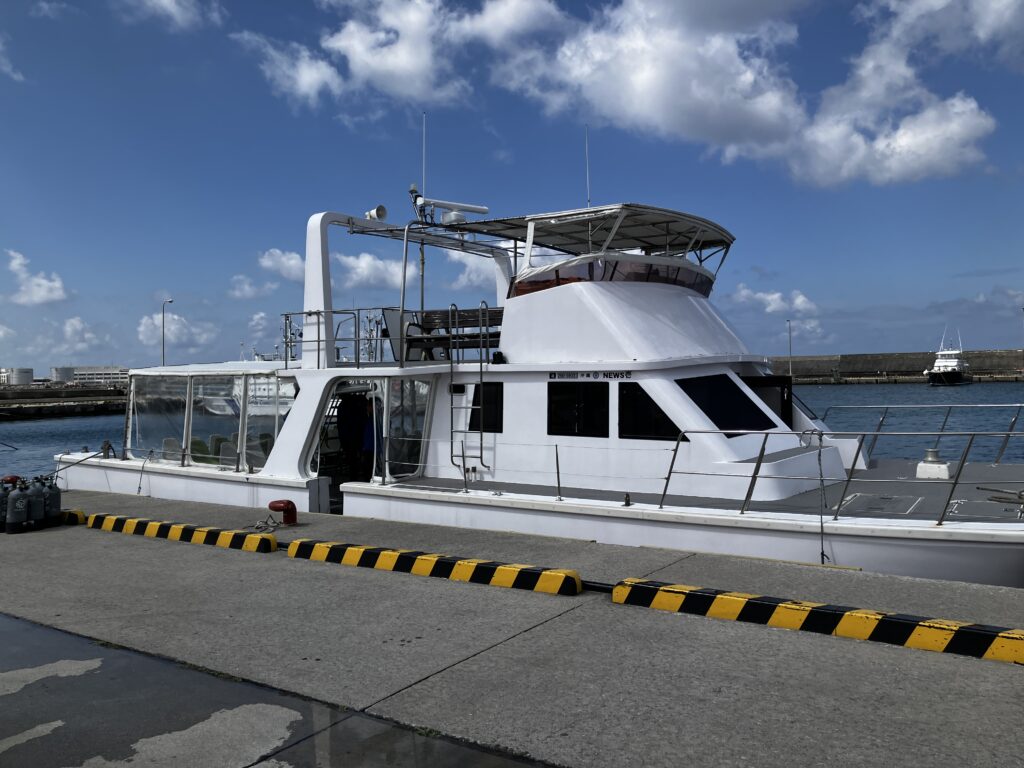
Our family boarded a cruise ship and departed Naha Miegusuku Port at 9:00 AM. According to our guide, February is the season when many whales visit the waters near Okinawa to give birth and raise their young, so the probability of spotting a whale is about 90 percent.
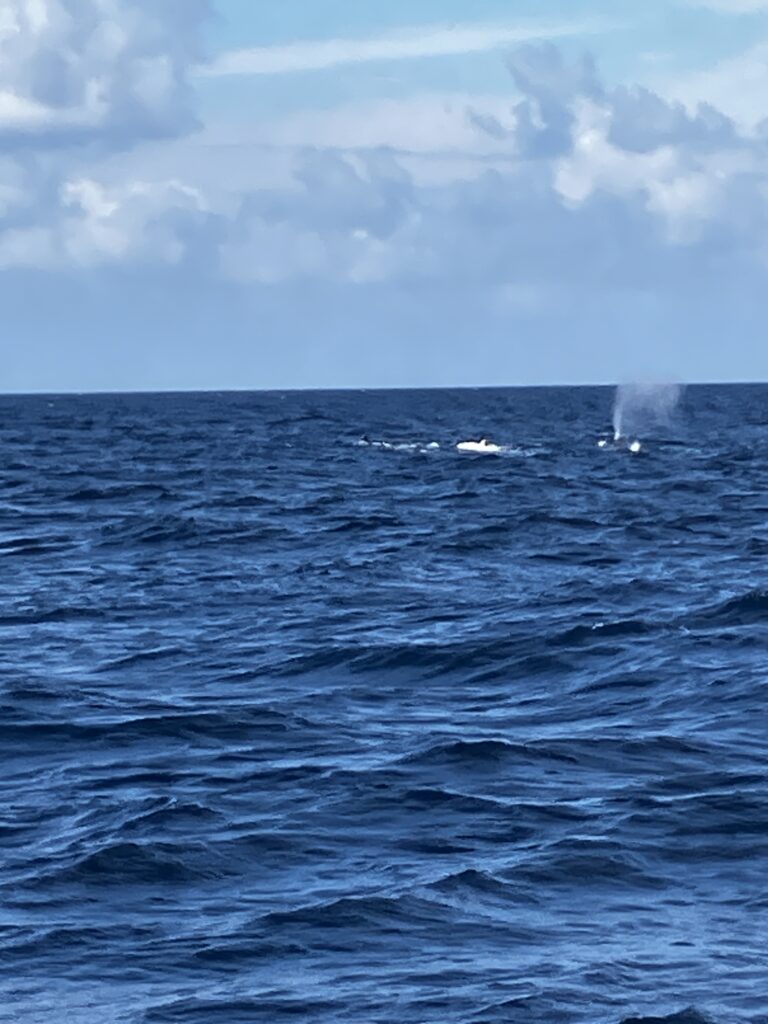
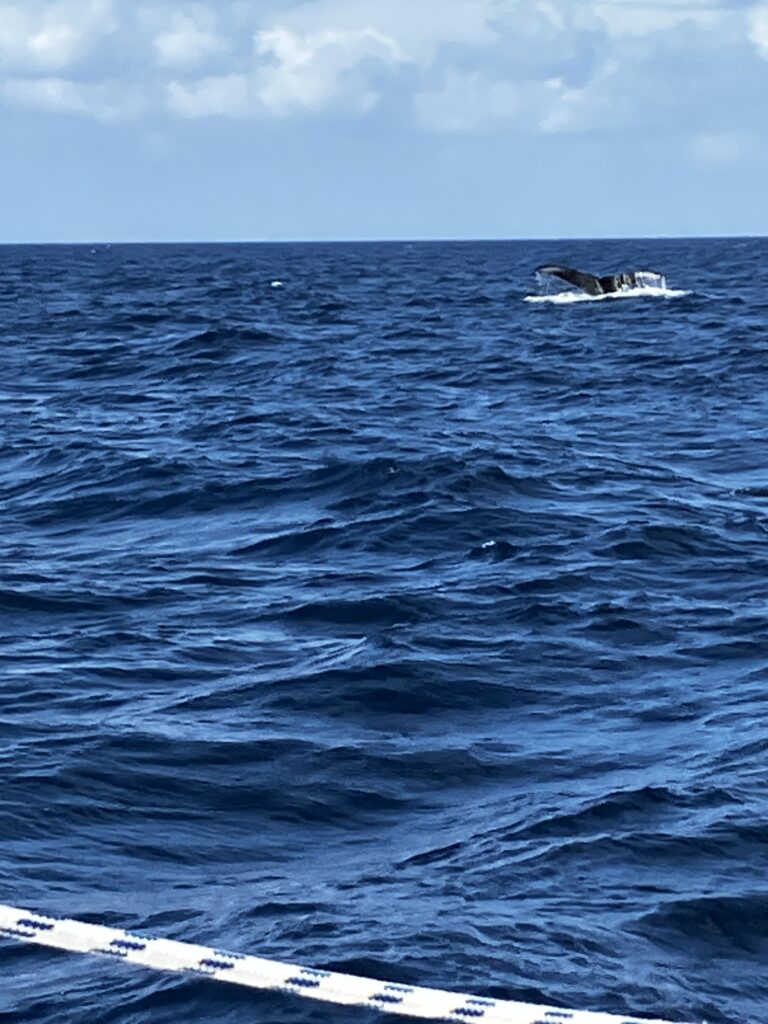
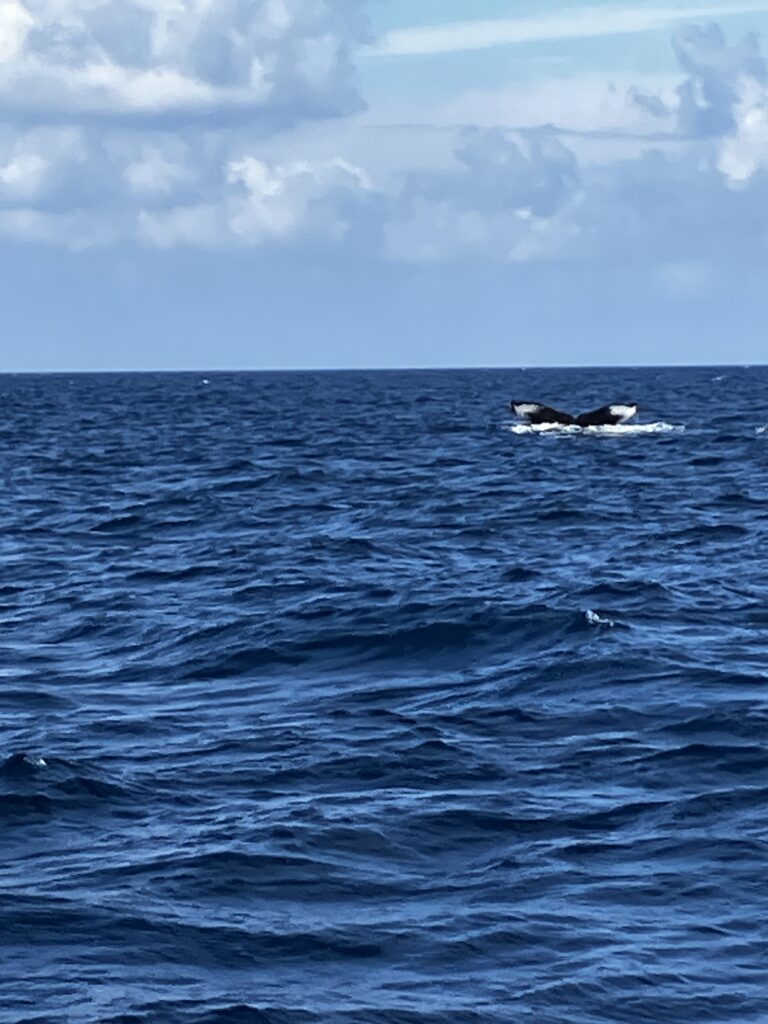
My son was lucky enough to see a whale, and he was very excited. On that day, we came face to face with a mother and calf, and were able to observe them breathing and diving into the sea. I was also deeply moved to encounter a live whale for the first time in my 50 years of life.

What I heard from the guide

On the tour I joined, I was lucky enough to see whales in just over an hour, but the guide taught me a lot while we were searching for and observing the whales.

During this season, pregnant whale mothers come to the waters near Okinawa. This is because the waters of Okinawa are warm and there are no natural predators, making them ideal for giving birth and raising their newborn calves. For example, in the waters of Alaska, newborn whale calves cannot maintain their body temperature and cannot survive. For this reason, they give birth in warm waters and stay there until the calves grow old enough to withstand cold waters.

Baby whales grow by drinking milk from their mothers. They produce up to 200 liters of milk per day, and the calves grow by 50 kilograms per day. This allows them to store fat in their bodies and withstand the cold ocean.
However, during this time the mothers cannot eat. This is because the waters near Okinawa do not have the krill that baleen whales feed on. In Okinawa, mothers raise their calves with care under extreme conditions, without food.

The mother teaches her calf many things, such as how to breathe and how to dive. At this time, they appear near the surface of the water, allowing us to observe them. To help their calves who are not good swimmers, the mother sometimes carries her calf on her back and swims near the surface of the sea.

We also heard about the consideration for the whales that the tourist association is taking. In order to avoid placing a mental burden on the whales, the tourist association has a rule that the tour must end and the observation must be stopped one hour after the whale is spotted. This ensures that tourists do not become a burden on the whales’ childcare, and ensures that this valuable tour can continue indefinitely.

Tour organizer

有限会社NEWS External link

This is the company I used this time.
They offer a variety of activities in addition to whale watching. Be sure to check them out when you’re traveling to Okinawa.

Departure port

Naha Miegusuku Port